Connected Playgrounds: Payment Integrations Streamlining Bonus Flow Between Online Slots and Live Tables
Ulrich Coleman · May 16, 2026
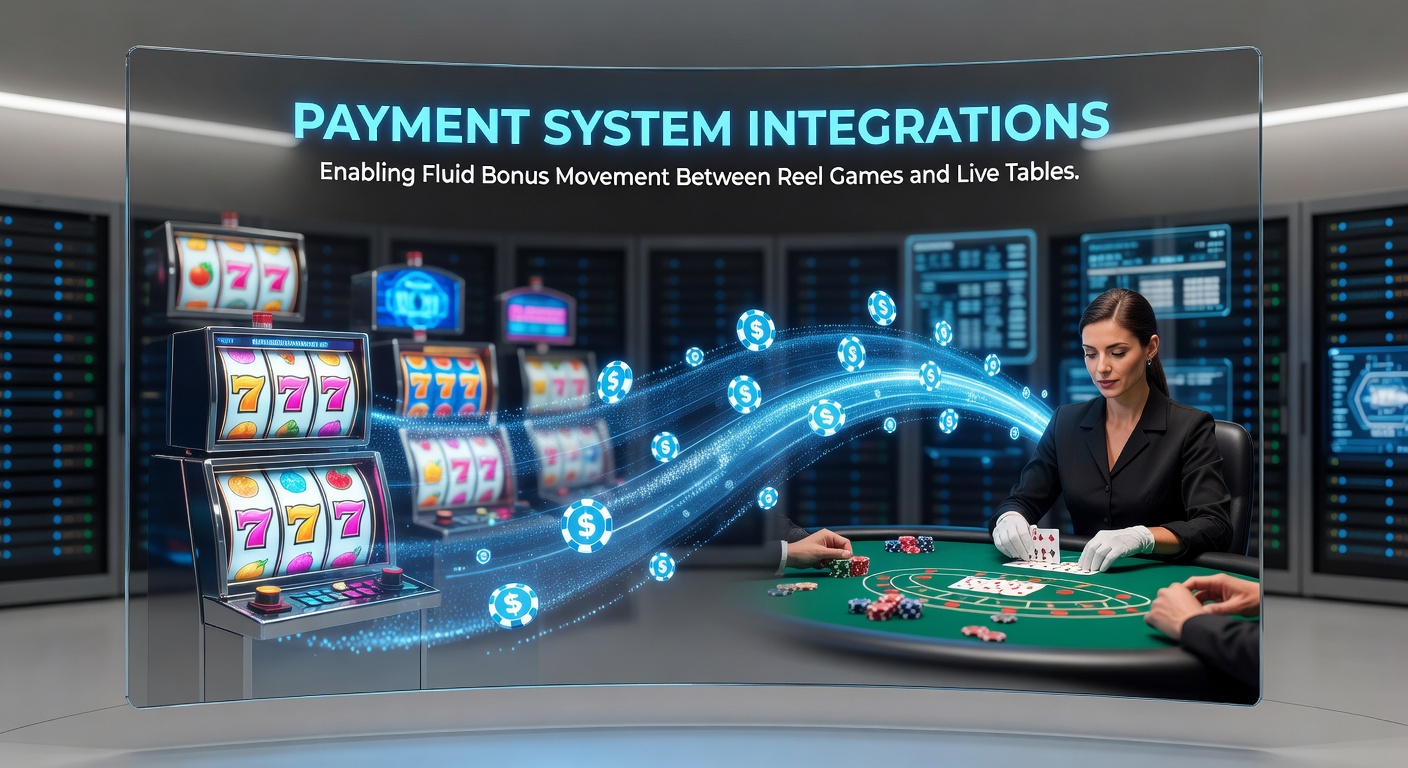
Connected Playgrounds: Payment Integrations Streamlining Bonus Flow Between Online Slots and Live Tables
Payment system integrations have transformed how bonuses move across reel-based games and live dealer tables in online casinos, creating unified player accounts that support seamless transfers without manual intervention. These systems rely on real-time API connections and centralized wallets that track player balances, promotions, and rewards across both verticals. Data from industry platforms in early 2026 shows that operators using such integrations report higher retention rates as players switch between slots and live tables without losing progress on bonus requirements.
Core Mechanisms Behind Fluid Transfers
Modern payment gateways connect slot providers and live casino software through standardized protocols that update balances instantly when a bonus triggers or a wager completes. A player who unlocks free spins on a reel game can apply the remaining value directly to a live blackjack table because the integration layer recognizes the bonus as portable across game types. Observers note that this setup reduces friction points that once forced players to meet separate wagering conditions for each category, and figures from platform reports indicate processing times now average under three seconds for cross-game movements.
Wallet architectures play a central role by maintaining a single ledger that records deposits, wins, and promotional credits regardless of whether the activity occurs on reels or at live tables. When a progressive jackpot contribution from a slot session feeds into a live roulette bonus pool, the payment layer allocates the amount automatically according to predefined rules set by the operator. Researchers at several iGaming technology firms have documented how these ledgers prevent double-counting while allowing multipliers earned on reels to carry over into live dealer environments during the same session.
Regulatory and Technical Standards Supporting Integration
Compliance frameworks in multiple jurisdictions require payment processors to maintain audit trails that cover every bonus movement between game categories. The European Gaming and Betting Association published guidelines in 2025 that emphasize transparent logging of transfers so regulators can verify fairness across slots and live tables. EGBA documentation highlights how operators must demonstrate that bonus values remain consistent whether applied to reel spins or live card games, and many platforms now embed these checks directly into their payment APIs.
Security protocols such as tokenization and end-to-end encryption protect the data streams that carry bonus information between different game servers. In May 2026, updates to common technical standards introduced new requirements for real-time reconciliation, ensuring that any bonus transferred from a slot session to a live table appears correctly on both the player's screen and the operator's backend within milliseconds. These enhancements have reduced disputes related to missing or delayed bonus credits, according to aggregated operator feedback shared at industry conferences.
Player Experience Improvements Through Unified Systems
Players benefit when payment integrations eliminate the need to navigate separate bonus menus for slots and live tables. A single dashboard displays available rewards and their eligibility across both game types, allowing quick selection of where to apply credits. Those who've studied user behavior patterns observe that session lengths increase when transfers happen automatically, because players stay engaged rather than pausing to complete manual steps.
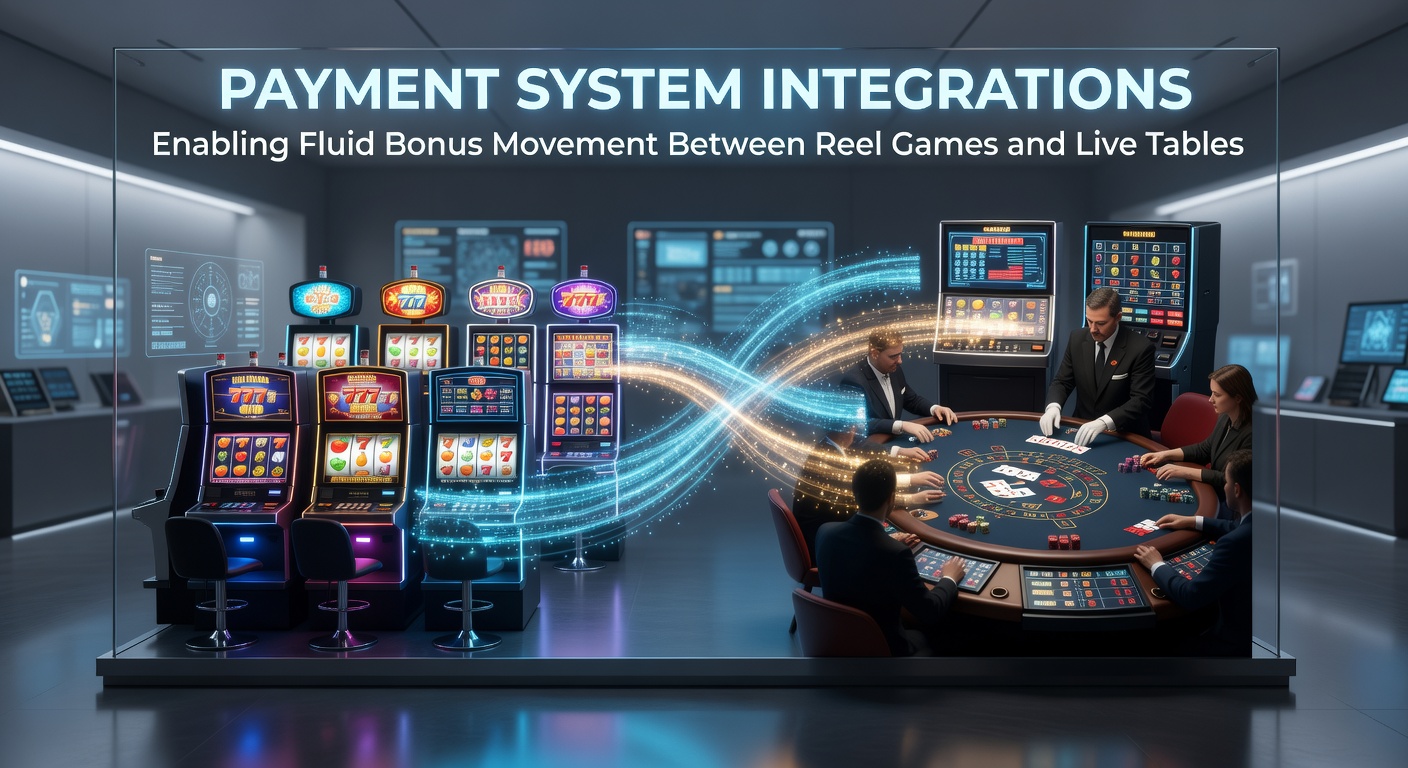
Case examples from mid-sized operators show that introducing fluid bonus movement led to measurable shifts in play patterns, with more users exploring live tables after starting on reels. The payment layer handles conversion of slot-specific multipliers into live-game equivalents without player input, preserving the promotional value while adapting it to the rules of the chosen table. This adaptability matters because live dealer games often carry different contribution percentages toward wagering requirements than automated slots.
Challenges and Ongoing Developments
Despite the progress, synchronization issues can still arise when network latency affects one game server but not the other, causing temporary mismatches in displayed bonus balances. Payment providers address these by implementing rollback mechanisms that restore the last consistent state across both reel and live environments. Industry reports from 2026 indicate that investments in edge computing have lowered the frequency of such incidents, though complete elimination remains an active focus for developers.
Future enhancements include deeper machine-learning models that predict optimal bonus allocation between slots and live tables based on individual play history. These systems would suggest transfers proactively while still requiring explicit player confirmation, maintaining control while reducing decision fatigue. Data collected through integrated payment platforms continues to inform these models, providing operators with clearer insights into cross-category preferences.
Conclusion
Payment system integrations have established reliable pathways for bonuses to move between reel games and live tables, supported by standardized APIs, secure ledgers, and evolving regulatory standards. As operators refine these connections through 2026 and beyond, the technical foundation for fluid movement continues to strengthen, enabling more consistent player experiences across diverse game formats. The emphasis remains on accurate tracking, rapid reconciliation, and compliance with jurisdiction-specific rules that govern promotional value across categories.