Game Studios Forge Ties Between Random Payout Triggers and Live Dealer Tables for Stronger Retention Systems
Quinn Griffin · Aug 13, 2026
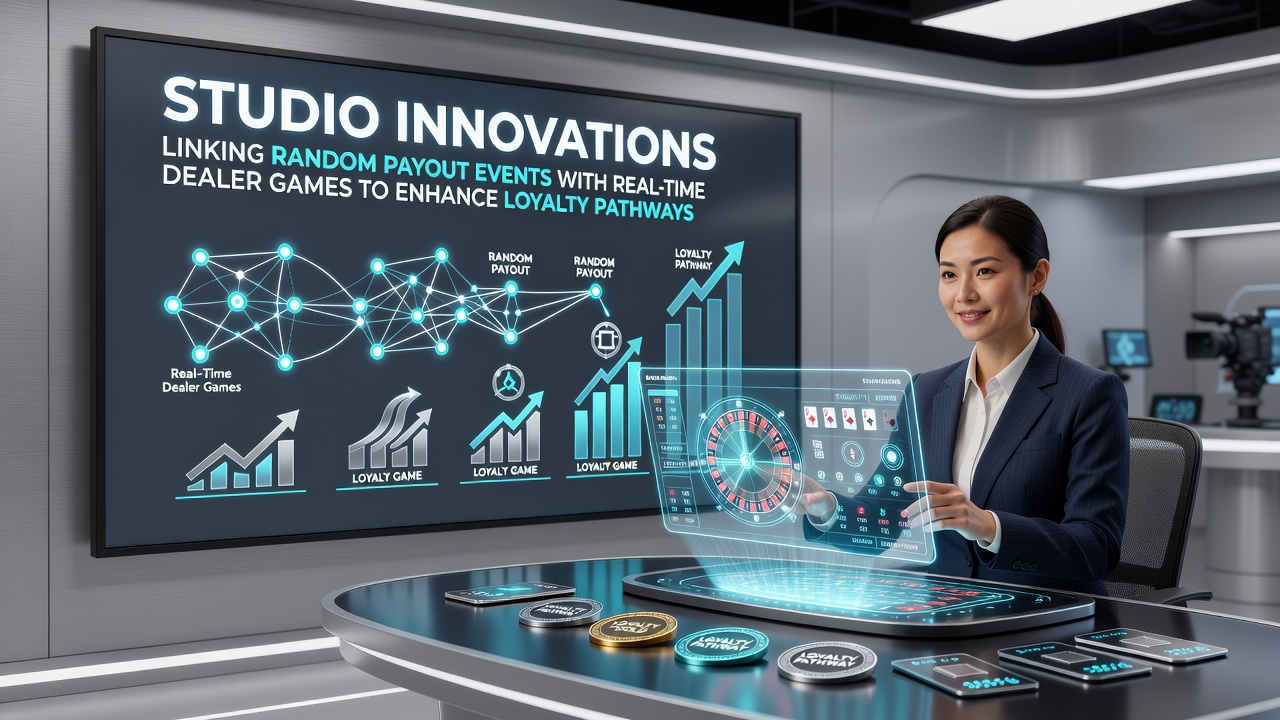
Game Studios Forge Ties Between Random Payout Triggers and Live Dealer Tables for Stronger Retention Systems
Game studios have developed systems that connect random payout events from slot mechanics directly to real-time dealer sessions, creating unified loyalty pathways that track player activity across both formats. These integrations allow operators to award points or bonuses based on combined performance, where a slot-triggered random reward might unlock entry into a live dealer table with enhanced payout multipliers. Data from industry reports shows such cross-format linkages increased session duration by measurable margins in tested markets during 2025.
Mechanics of Random Payout Integration
Random payout events, often generated through certified RNG modules, now feed into live dealer platforms via API connections that update player profiles in real time. When a slot produces an unexpected bonus round or jackpot drop, the system logs the event and offers immediate transfer options to live tables where dealers handle the next phase of play. This setup ensures loyalty programs recognize the full sequence without requiring separate logins or manual claims, and observers note that seamless handoffs reduce player drop-off rates between game types.
Providers implement these links through shared databases that monitor both virtual reel outcomes and physical card or wheel results from dealer streams. For instance, a player hitting a random scatter feature in slots might receive a notification to join a blackjack table where the next hand carries a loyalty boost tied to the prior payout value. Such designs emerged in beta versions rolled out across European and North American platforms by mid-2025, with full deployments accelerating into August 2026 as compatibility standards improved.
Impact on Loyalty Pathway Structures
Loyalty pathways benefit when random events in one format directly influence progression in another, allowing tier advancement to reflect total engagement rather than isolated metrics. Studios have introduced algorithms that weight live dealer participation higher when preceded by slot-based random rewards, creating incentives for players to move between environments. Research from the Responsible Gambling Council indicates these blended systems correlate with steadier retention figures compared to standalone slot or table offerings.
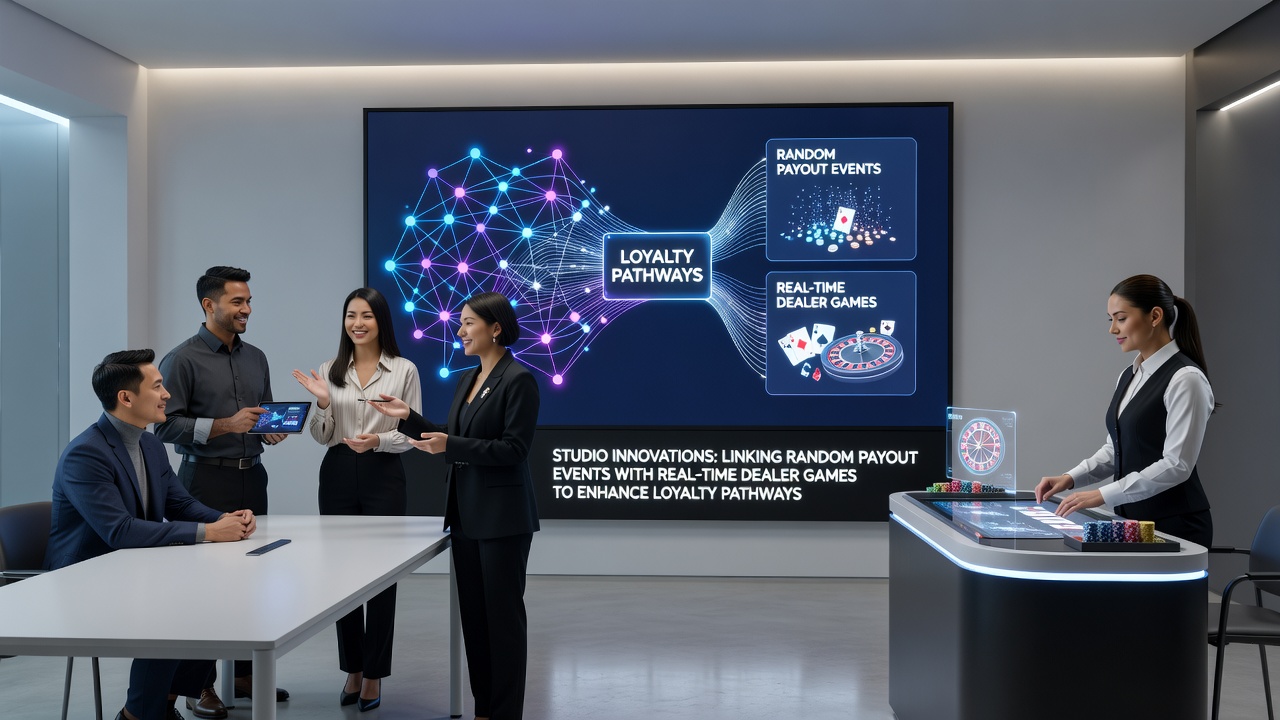
Case examples include platforms where a progressive jackpot trigger in mobile slots routes players to roulette tables featuring dealer-hosted bonus spins reserved for loyalty members. The connection operates through timestamped event logs that feed into a central rewards engine, ensuring points accumulate without duplication or loss. Those who've examined operator dashboards report clearer visibility into player journeys, since the data now captures transitions rather than treating each game category separately.
Technical and Regulatory Context in 2026
By August 2026, several jurisdictions outside the UK had updated technical requirements for cross-game data sharing, prompting studios to refine their payout-to-dealer linkages. Standards from bodies such as the Victorian Responsible Gambling Foundation emphasize transparent logging of random events, which studios address by embedding audit trails within the integration layer. This approach satisfies compliance needs while maintaining the fluidity that drives loyalty program usage.
Additional partnerships with payment processors allow instant crediting of combined rewards, where a random slot payout converted at a live table appears in the player's account balance within seconds. Industry organizations like the American Gaming Association have documented rising adoption of these hybrid models, noting they align with broader trends toward unified player experiences across digital and streamed content.
Future Developments in Studio Design
Studios continue refining the connections by incorporating machine learning that predicts optimal moments to link a random payout to a live dealer invitation based on historical behavior patterns. These refinements aim to sustain loyalty momentum without disrupting the core randomness of either game type. Data compiled through academic channels, including studies referenced by the Australian Gambling Research Centre, supports the observation that players maintain longer overall activity when pathways feel continuous rather than segmented.
Implementation varies by region, yet the core principle remains consistent: random events serve as gateways that enhance the value of real-time dealer participation within loyalty frameworks. Observers tracking platform updates through August 2026 highlight incremental gains in cross-format engagement metrics where these studio innovations have taken hold.
Conclusion
Studio innovations that link random payout events with real-time dealer games produce measurable effects on loyalty pathway efficiency, as evidenced by operational data and compliance frameworks active in 2026. The resulting systems deliver connected experiences that operators deploy to maintain player continuity across formats, supported by technical standards and external research findings from multiple jurisdictions.