Interwoven Networks: How Transaction Channels Shape Reward Pathways Across Portable Reel and Table Formats
Olivia Long · Jun 8, 2026
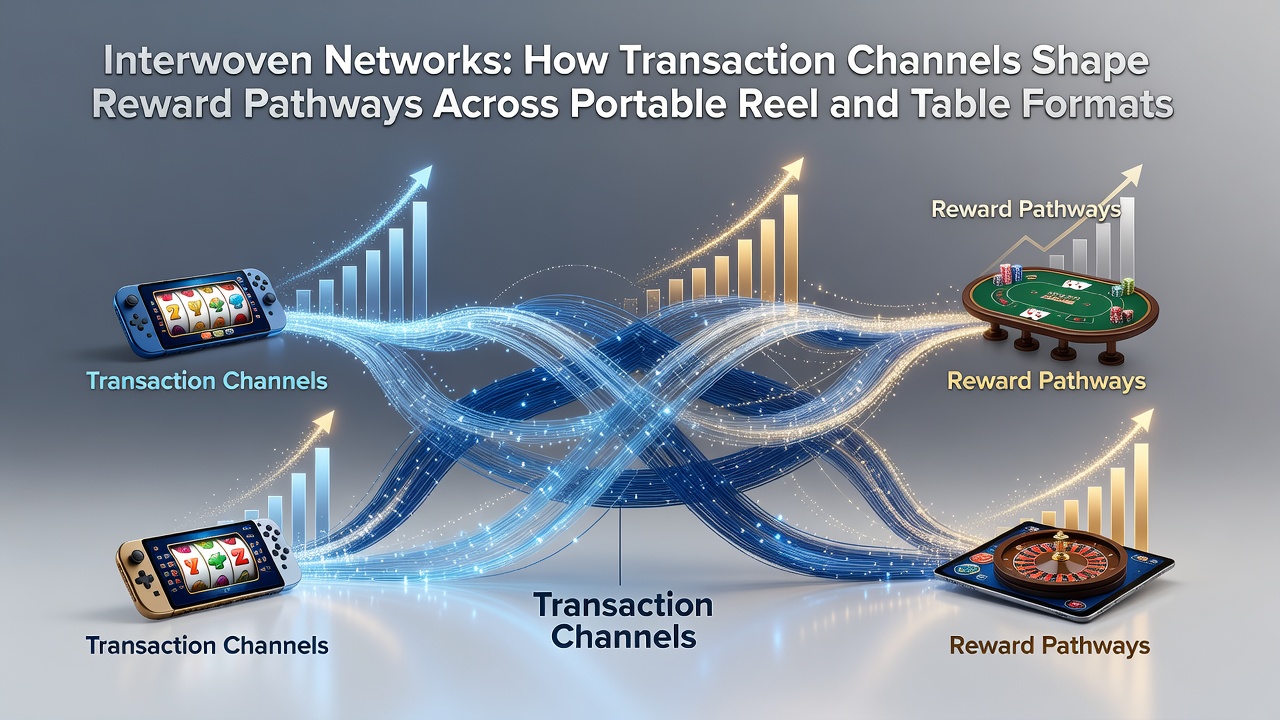
Interwoven Networks: How Transaction Channels Shape Reward Pathways Across Portable Reel and Table Formats
Transaction channels form the backbone of modern gaming ecosystems where deposits and withdrawals directly influence how rewards distribute across mobile slot interfaces and live table environments, and these pathways have grown more intricate as platforms expand their portable reel offerings alongside traditional table formats. Payment processors handle instant funding requests that unlock bonus structures, while integrated ledgers track player activity to route free spins or progressive contributions without manual intervention. Observers note that seamless connectivity between banking APIs and game servers allows rewards to flow in real time, creating unified experiences whether users spin on handheld devices or engage with dealer-led sessions.
Mapping Transaction Flows in Portable Reel Environments
Portable reel formats rely on mobile-optimized payment rails that prioritize speed and low latency, which in turn determine the timing and scale of reward triggers such as multiplier boosts or accumulated jackpots. Data from industry reports shows that when transaction channels incorporate instant verification protocols, players gain immediate access to promotional credits that carry over across multiple sessions on the same device. Researchers have documented cases where delayed settlement methods reduce the frequency of reward redemptions, whereas optimized channels increase engagement metrics by routing funds directly into loyalty accumulation systems. And these dynamics become especially evident in June 2026 as newer cross-border processing standards take effect in several jurisdictions outside the UK.
One study from the University of Nevada Reno Gaming Innovation Lab revealed that transaction latency under three seconds correlates with higher retention rates in mobile slot networks because rewards activate before users switch applications. Payment gateways equipped with tokenization further streamline these flows by masking sensitive data while preserving audit trails that feed into reward calculation engines. Those who've examined provider logs find that reel-based titles often bundle deposit bonuses with spin packages, and the underlying channels must reconcile these bundles across different currencies and regulatory tax layers without disrupting gameplay continuity.
Integration Patterns Between Table Formats and Reward Systems
Table game environments introduce additional layers because live dealer platforms require synchronized transaction confirmations to maintain session integrity while distributing comps or side-bet jackpots. When channels connect banking partners to live-streaming servers, players receive real-time updates on reward eligibility based on wager volume and deposit history. Evidence suggests that platforms employing unified ledgers across reel and table products achieve smoother VIP progression since activity from both formats aggregates automatically. Yet the technical challenge lies in aligning payout schedules for table-side progressive pools with the faster cycle times typical of portable reels.
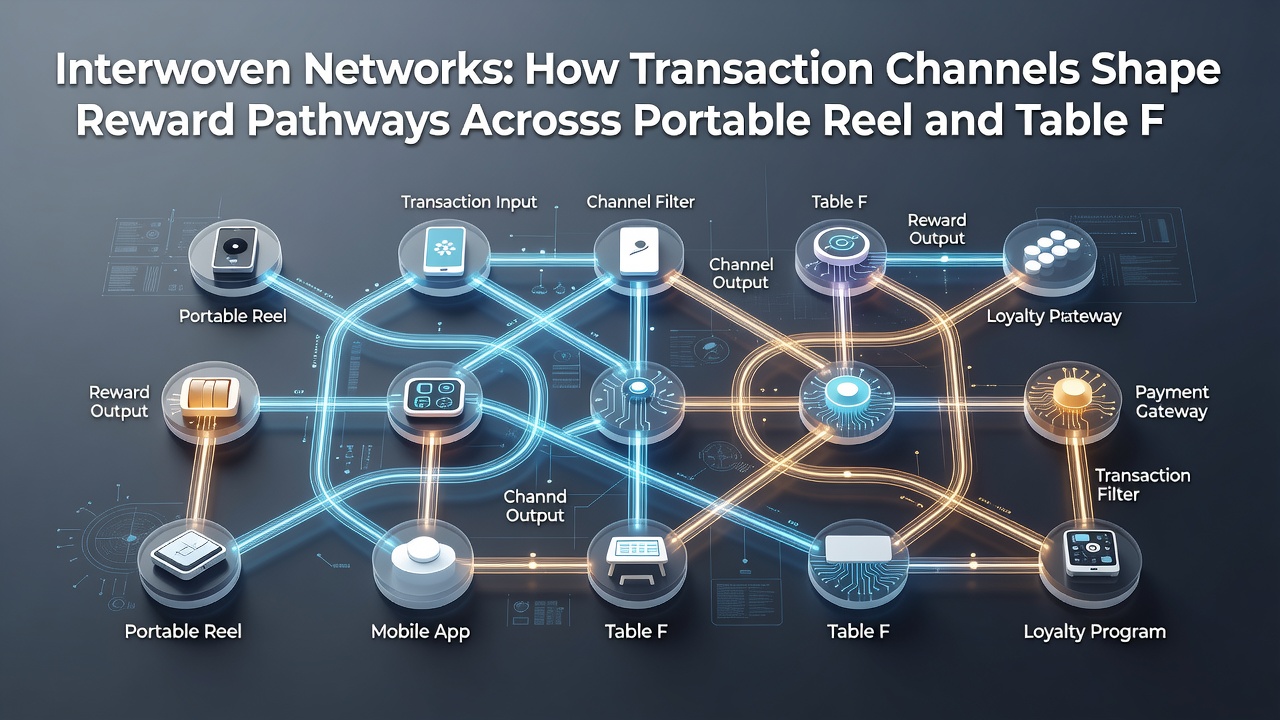
According to figures from teh Canadian Gaming Association, integrated transaction systems now handle over 65 percent of cross-format reward distributions in major markets, a shift driven by API advancements that let providers push promotional credits into both slot wallets and table chip stacks simultaneously. Observers point to specific implementations where instant deposit triggers activate table-exclusive bonuses, such as matched play credits that apply during live sessions. These setups reduce friction for users who alternate between formats, and the underlying networks maintain compliance records that satisfy multiple regional oversight bodies including those in Australia and the European Union.
Interdependencies Across Network Layers
Reward pathways rarely operate in isolation because transaction data feeds into analytics engines that adjust bonus parameters based on aggregate player behavior across devices and game types. When channels incorporate machine learning models for fraud detection, they simultaneously refine reward eligibility by filtering out suspicious patterns before credits reach user accounts. This dual function means cleaner data streams lead to more precise distribution of jackpots and loyalty points, particularly when portable reel activity influences table game promotions or vice versa. Researchers discovered through longitudinal tracking that platforms with tightly coupled payment and reward layers see fewer disputes over bonus expirations since timestamps sync automatically across formats.
Industry organizations such as the World Lottery Association have published guidelines on secure transaction routing that indirectly support reward integrity by mandating end-to-end encryption standards. These measures prevent interception that could otherwise interrupt the flow of promotional funds from deposit confirmation to game activation. In practice, the networks create feedback loops where successful withdrawals reinforce continued play, and reward multipliers adjust dynamically based on recent transaction volumes recorded in central ledgers.
Emerging Developments Around June 2026
Regulatory updates scheduled for June 2026 in select North American and Asian markets introduce new reporting requirements for transaction channels handling cross-format rewards, compelling providers to enhance audit capabilities without altering core reward mechanics. These changes emphasize transparency in how deposit values translate into bonus credits, especially when funds move between reel and table environments. Providers adapting early have deployed modular channel architectures that isolate reward logic from payment processing, allowing quicker compliance adjustments. Data indicates such flexibility preserves player access to promotions while meeting heightened disclosure standards.
Conclusion
Transaction channels continue to evolve as the connective tissue binding reward pathways across portable reel and table formats, with each advancement in processing speed or data synchronization reshaping how bonuses and jackpots reach players. The interplay between payment infrastructure and game servers determines not only accessibility but also the structural integrity of loyalty systems that span multiple game categories. As networks mature, those monitoring the sector expect further refinements that maintain reward continuity even as formats diversify and regulatory landscapes shift in coming periods.