Payment Networks Aligning Spins and Bets Across Mobile and Live Formats
Theo Lange · Jun 1, 2026
Payment Networks Aligning Spins and Bets Across Mobile and Live Formats
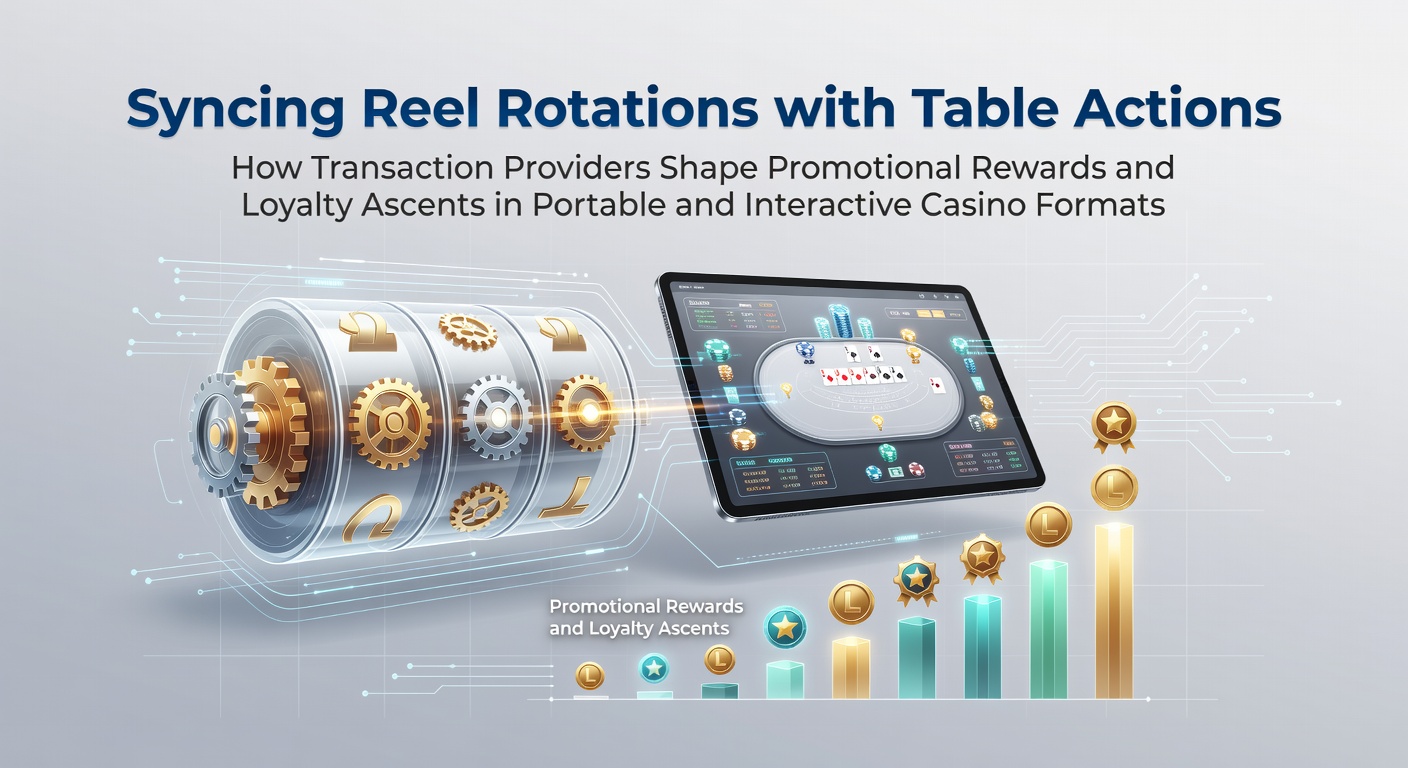
Transaction providers operate at the center of modern casino ecosystems where reel rotations in mobile slots link directly to actions at live tables. These systems process deposits and withdrawals while triggering promotional sequences that reflect combined player activity across both formats. Data from industry reports in June 2026 indicates that integrated payment rails now handle over 65 percent of cross-format sessions in regulated markets outside the UK. Payment processors achieve synchronization by embedding APIs that monitor spin outcomes alongside table decisions such as bet placements and card reveals. When a player completes a qualifying mobile spin sequence, the same transaction ledger records parallel activity at a live dealer table. This unified tracking allows operators to issue rewards that span both environments without separate bonus pools.Mechanics of Cross-Format Reward Distribution
Transaction providers route funds through centralized ledgers that assign promotional multipliers based on combined metrics. A deposit processed for mobile play can immediately activate table-based incentives if the system detects prior live action within the same session window. Research from the Australian Gambling Research Centre shows these linked ledgers reduce reward latency by an average of 42 seconds compared with siloed systems.
Operators configure rules through provider dashboards where reel rotation thresholds connect to table action milestones. For instance, three consecutive mobile spins meeting volatility criteria might release a live table chip bonus once the payment confirmation arrives. Such configurations rely on real-time data exchanges rather than post-session reconciliations.Impact on Loyalty Program Structures
Loyalty ascents benefit from these synchronized flows because points accumulate across portable and interactive sessions under single transaction identifiers. Players advancing through tiers see accelerated progress when mobile reel activity pairs with live table participation on the same account. Figures from the National Council on Problem Gambling in the United States reveal that integrated loyalty models increased tier upgrade rates by 28 percent in markets using unified payment rails during early 2026.
Providers supply the infrastructure that tags each transaction with format-specific flags while maintaining a shared loyalty ledger. This tagging enables operators to apply tier benefits such as enhanced promotional percentages or priority table seating based on total synchronized volume rather than isolated play.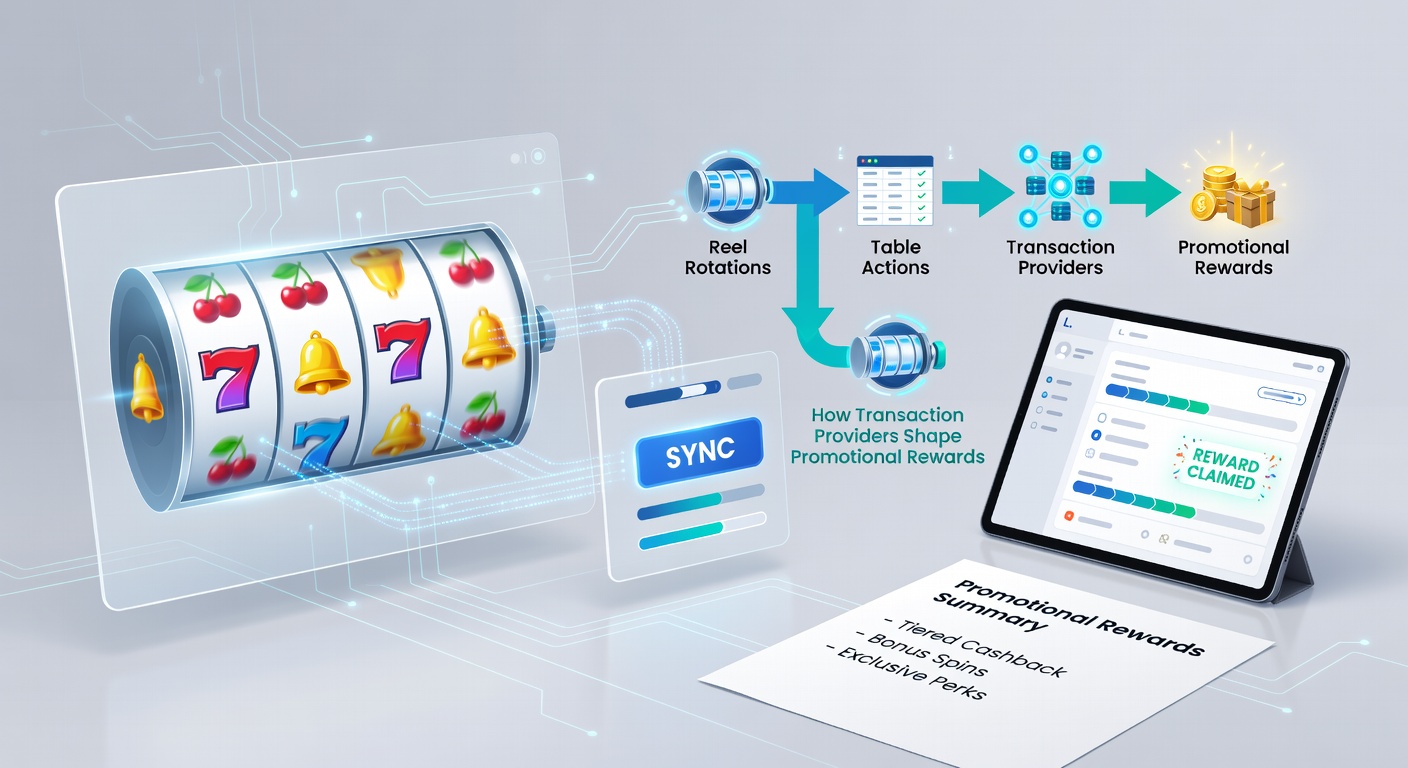
Regional Regulatory Influences on Synchronization Standards
Canadian provincial regulators updated technical standards in June 2026 requiring transaction providers to maintain audit trails that explicitly map reel rotations to table actions. These requirements ensure promotional rewards reflect verifiable cross-format behavior and prevent duplicate crediting. Similar frameworks appear in several European jurisdictions where payment gateway licensing now includes mandatory synchronization testing protocols.
Industry associations such as the European Gaming and Betting Association have published guidelines that encourage providers to adopt standardized data schemas for cross-format events. Adoption of these schemas allows operators to launch loyalty campaigns that span mobile slots and live tables with consistent reward logic across borders.Technical Integration Patterns Observed in 2026
Leading transaction providers deploy event-driven architectures where each spin completion or table decision generates a payload sent to a central rewards engine. The engine evaluates the payload against predefined promotional rules before issuing credits back through the same payment channel. This closed-loop design minimizes discrepancies between mobile and live activity records.
Case examples from operators using these patterns demonstrate that average session duration across formats rises when rewards trigger in real time. Players receive notifications of earned table chips immediately after mobile spin sequences conclude because the payment confirmation serves as the synchronization anchor.Conclusion
Transaction providers continue to refine the technical bridges between reel rotations and table actions. Their systems underpin promotional reward structures and loyalty progression models that span portable and interactive casino formats. Continued regulatory developments through 2026 will likely shape further standardization of these synchronization methods across multiple jurisdictions.