Provider Synchronization Models: Connecting Live Table Progress Points to Mobile Reel Rotations for Enhanced Promotion Handling and Jackpot Connectivity
Quinn Griffin · May 30, 2026
Provider Synchronization Models: Connecting Live Table Progress Points to Mobile Reel Rotations for Enhanced Promotion Handling and Jackpot Connectivity
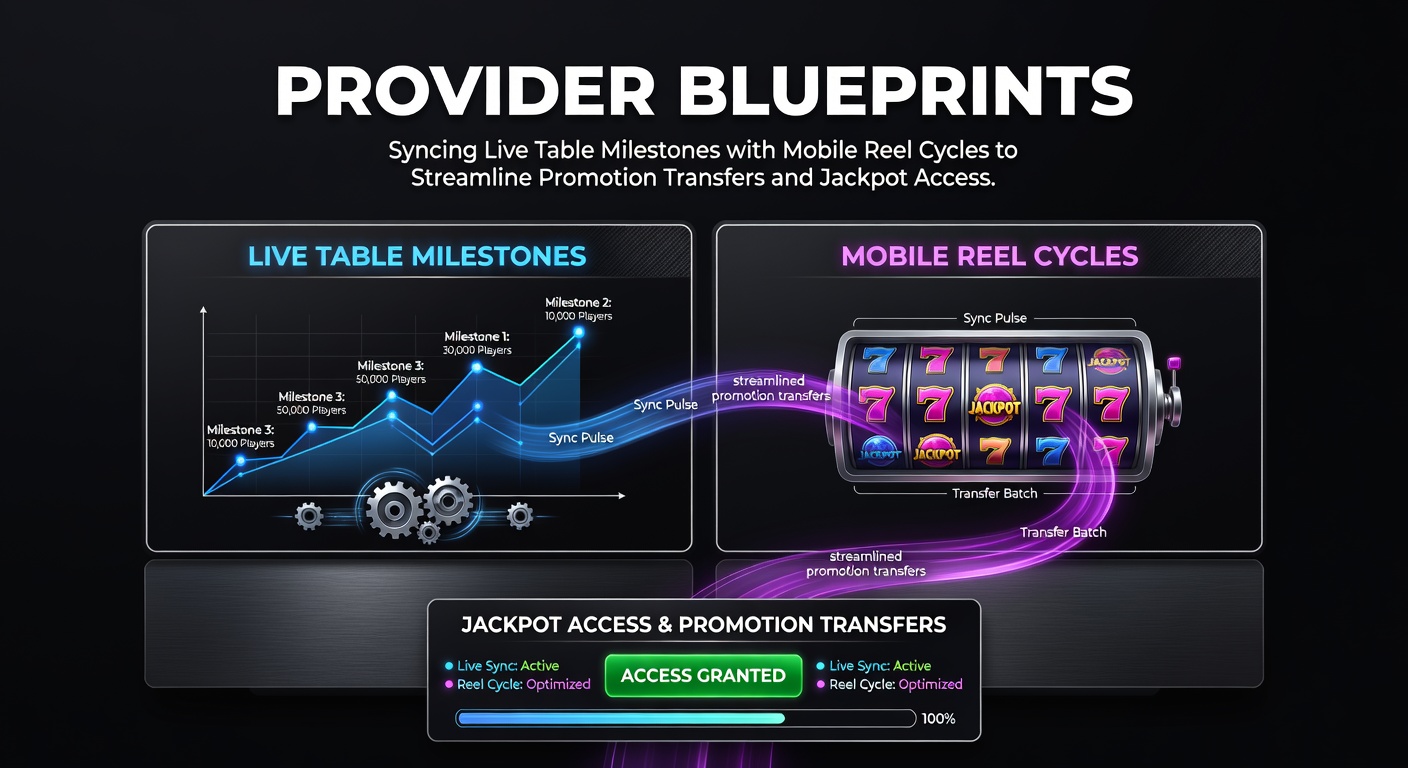
Game providers have developed structured blueprints that align achievements from live dealer tables with rotation patterns in mobile slot games, creating pathways that move promotional credits and unlock jackpot entries without manual intervention. These models rely on shared data layers where table milestones such as completed hands or round totals feed directly into reel cycle trackers on mobile devices, allowing promotions to transfer across formats in real time.
Core Components of Live Table Milestone Tracking
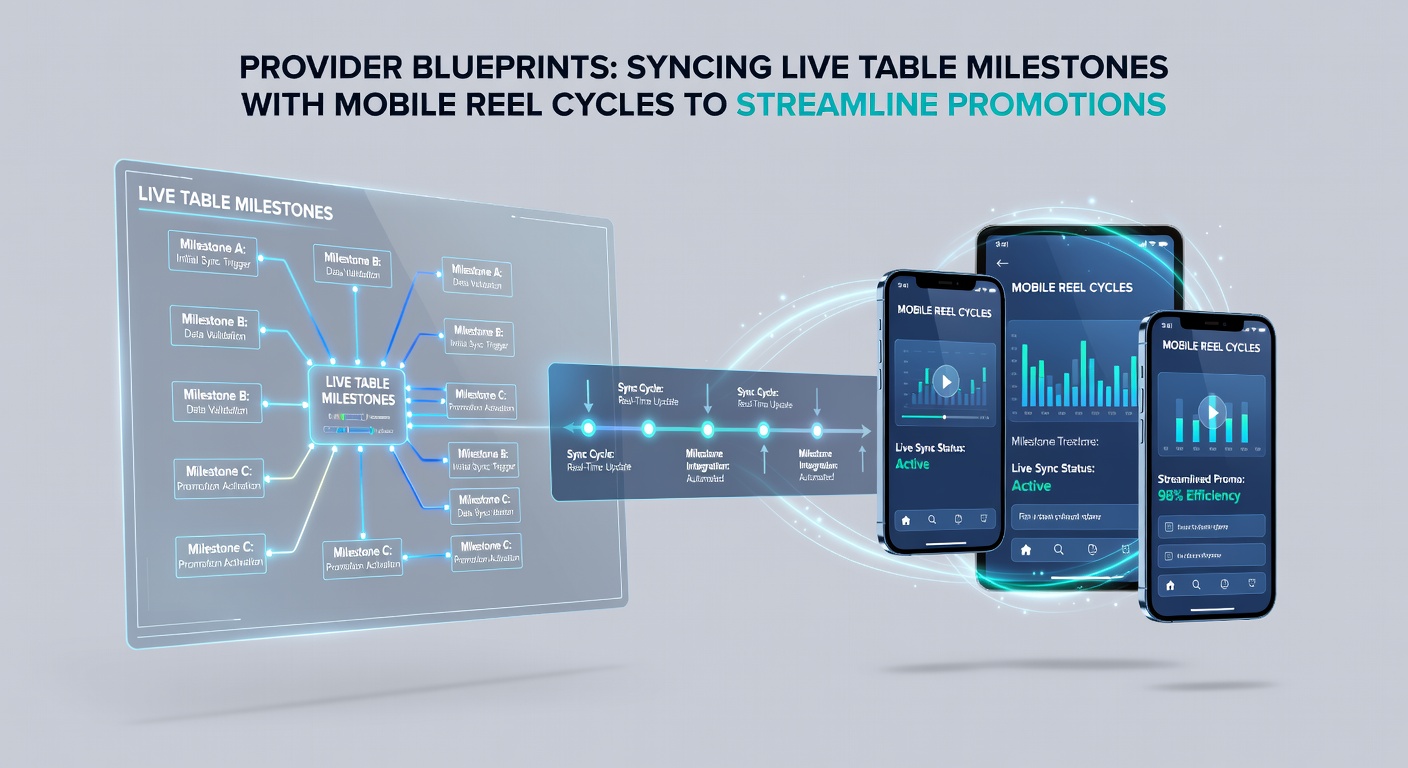
Live table systems record specific benchmarks including consecutive wins, total wagers placed, and participation streaks, then package this data for export to mobile platforms. Providers implement API endpoints that capture these points at the end of each dealer round and route them through centralized servers, ensuring mobile reel cycles reflect the same progress markers without delay. Data shows that integration reduces transfer times from several minutes to under thirty seconds when both environments operate on synchronized clocks.
Mobile Reel Cycle Mechanics and Alignment Protocols
Mobile reel systems operate on timed rotation sequences where each spin cycle generates metadata on symbol combinations and bonus triggers. Blueprints from major providers map these sequences to live table outputs by assigning matching identifiers to milestones, so a completed blackjack hand can advance a mobile reel toward its next feature unlock. Observers note that this mapping uses timestamp verification to prevent desyncs, particularly during peak evening hours when player activity spikes across both channels.
Promotion Transfer Pathways
Promotion handling improves when blueprints route credits earned at live tables straight into mobile slot accounts through unified ledgers. A player reaching a table milestone receives an automatic code that activates on their next mobile session, bypassing separate claim processes. Industry reports from the European Gaming and Betting Association indicate that such routing has increased cross-format promotion redemption rates by measurable margins in platforms using these models since early 2025.
Jackpot access follows similar logic. Progressive pools draw from both live and mobile contributions, yet entry requirements often differ by format. Synchronization blueprints standardize eligibility by converting table milestones into equivalent reel cycle completions, allowing a single jackpot meter to advance regardless of where the activity occurs.
Implementation Examples from May 2026
Updates rolled out in May 2026 by several providers introduced refined timestamp protocols that handle timezone differences between live studio locations and mobile users more effectively. One framework tested in North American markets linked table participation streaks directly to mobile free spin allocations, with the Australian Communications and Media Authority noting stable performance across regulated operators during initial trials. These changes addressed previous gaps where reel cycles lagged behind table updates by several spins.
Additional blueprints incorporate conditional triggers. Reaching a live table threshold might open a mobile reel feature only after the player completes a set number of mobile spins within the same session, creating a feedback loop that encourages continued engagement across formats while maintaining compliance with regional rules.
Data Routing and Security Measures
Secure token exchanges form the backbone of these systems. Each milestone generates an encrypted token that mobile applications validate before applying changes to reel progress or promotion balances. Providers combine this with audit logs that regulators can review, ensuring transfers remain traceable. Research from university-led gaming technology studies highlights that token-based routing cuts error rates in jackpot eligibility checks when compared with older batch-processing methods.
Scalability receives attention in current designs. As player volumes grow, blueprints include load-balancing steps that distribute milestone data across multiple server clusters, preventing bottlenecks during live events that draw simultaneous mobile traffic.
Conclusion
Provider synchronization models continue to evolve by refining how live table progress points connect with mobile reel rotations. These approaches streamline promotion transfers and jackpot access through shared data structures and verified routing methods, with ongoing refinements noted in mid-2026 deployments across multiple regions. The frameworks support consistent player experiences while meeting technical and regulatory requirements in active markets.