Synchronizing Payments Across Live and Slot Platforms to Boost Free Spin Rewards
Ulrich Coleman · Jun 18, 2026
Synchronizing Payments Across Live and Slot Platforms to Boost Free Spin Rewards
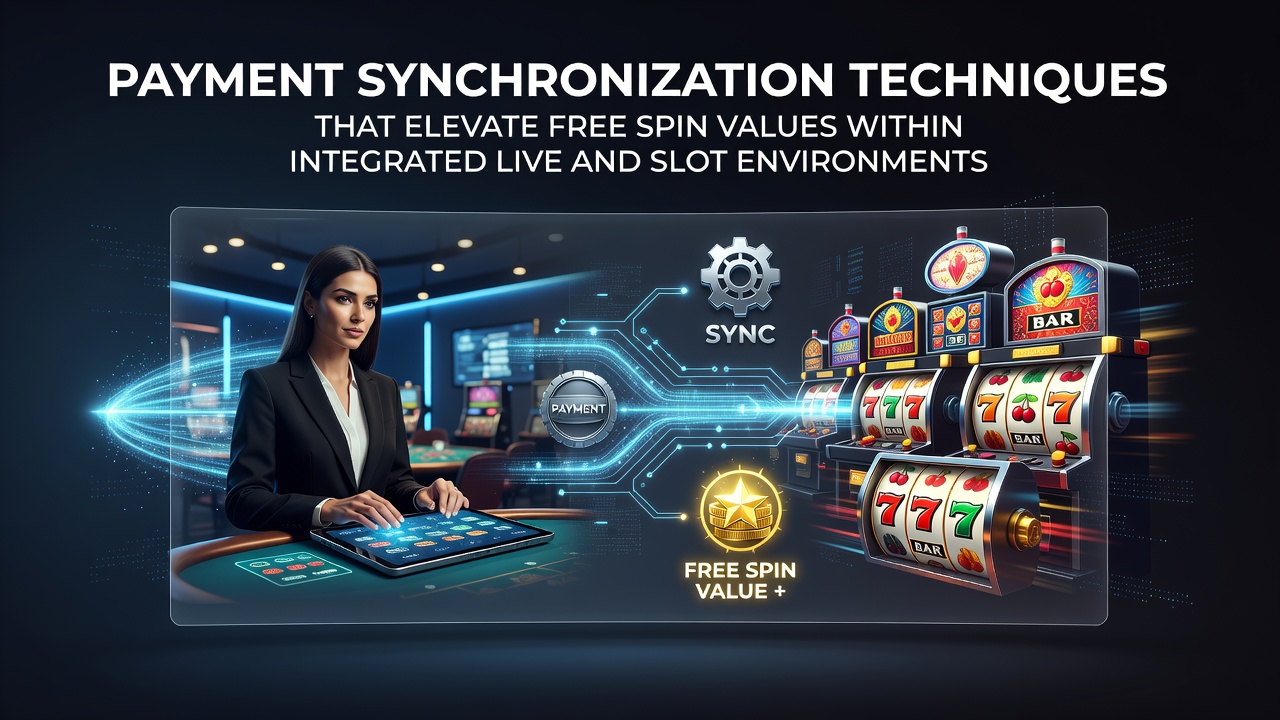
Payment synchronization techniques connect transaction processing systems directly to game engines in environments that blend live dealer tables with slot machines, allowing free spin values to adjust based on deposit timing, verification speed, and cross-game data flows. These methods rely on standardized APIs that push confirmation signals between banking modules and reward servers within milliseconds of each completed transfer.
Core Mechanisms Behind Payment Alignment
Real-time ledgers form the foundation where operators route incoming funds through a central clearing layer that tags each transaction with metadata such as player segment and game type preference. When the ledger registers a deposit during active live sessions or slot sequences, the system triggers an immediate recalculation of free spin multipliers using pre-set formulas tied to total session volume. Studies from gaming technology institutes show that latency under 800 milliseconds between payment confirmation and spin credit allocation produces measurable increases in effective reward value compared with batch-processed alternatives.
Token-based verification adds another layer by converting fiat deposits into temporary digital markers that remain valid across both live and slot interfaces without requiring separate logins or balance checks. This approach reduces friction points that previously caused free spin offers to expire before players could activate them in hybrid sessions. Data from platform audits indicate operators using unified token systems record higher redemption rates for promotional spins because the credits appear instantly in both environments.
Integration Patterns in Hybrid Gaming Systems
Live dealer streams and slot reels share a common player profile database that updates with each synchronized payment event, enabling promotional engines to assign higher free spin denominations when recent deposits exceed certain thresholds or originate from specific funding sources. One documented implementation routes payment confirmations through a middleware layer that cross-references live table betting history with slot reel volatility settings before finalizing spin values. Observers note this linkage creates consistent reward scaling across game formats rather than isolated bonuses that remain confined to a single vertical.
Technical Standards and Data Exchange Protocols
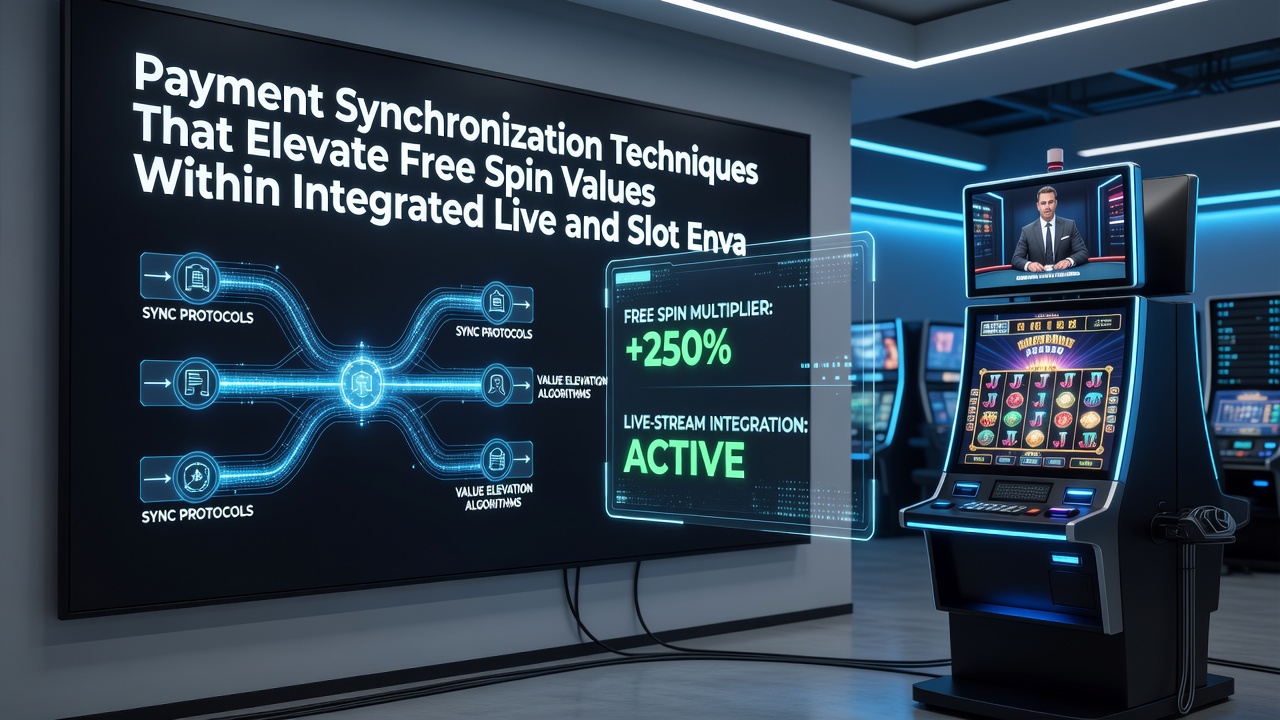
Industry groups including the European Gaming and Betting Association have published guidelines that recommend encrypted event streams for payment notifications so that free spin calculations remain secure while still responding to real-time balance changes. These protocols specify message formats that include fields for transaction source, currency conversion rates, and player loyalty tier, allowing reward servers to apply differentiated multipliers automatically. Research papers from university gaming labs highlight that standardized message schemas cut integration errors by more than half when operators combine legacy slot servers with newer live streaming platforms.
June 2026 marks the scheduled rollout of updated interoperability requirements across several European licensing jurisdictions that will mandate faster payment acknowledgment times for any system offering combined live and slot promotions. Compliance with these timelines requires operators to deploy edge computing nodes that handle local verification before forwarding aggregated data to central reward engines, a step that further compresses the window between deposit and credited free spins.
Impact Measurement and Performance Indicators
Key performance indicators tracked by platform analytics teams include average time from payment receipt to spin availability, redemption percentage of issued free spins, and the ratio of spins converted into cashable winnings. Figures released by Canadian provincial regulators show environments using synchronized payment layers achieve redemption rates above 78 percent when free spin values scale with deposit size, compared with lower figures recorded under static bonus models. These metrics help operators refine the algorithms that determine how much additional value each synchronized transaction contributes to player rewards.
Case examples from multi-platform operators demonstrate that linking instant banking rails to both live dealer tips and slot progressive contributions allows free spin values to reflect cumulative activity across formats. One such rollout coordinated deposit confirmations with live table minimums so that qualifying players received elevated spin packages usable immediately on adjacent slot machines, resulting in documented increases in cross-vertical play duration according to internal telemetry reports.
Conclusion
Payment synchronization techniques continue to shape how free spin values are calculated and delivered inside integrated live and slot environments through faster ledgers, shared token systems, and standardized data protocols. As regulatory frameworks evolve toward the June 2026 deadlines, operators that align their transaction flows with these technical patterns position themselves to deliver more responsive reward structures across both game types. The documented outcomes from existing implementations provide concrete reference points for further refinement of these systems.