Tracing Links Between Payment Solutions and Tiered Loyalty Frameworks in Spinning Reel Platforms
Theo Lange · Jul 13, 2026
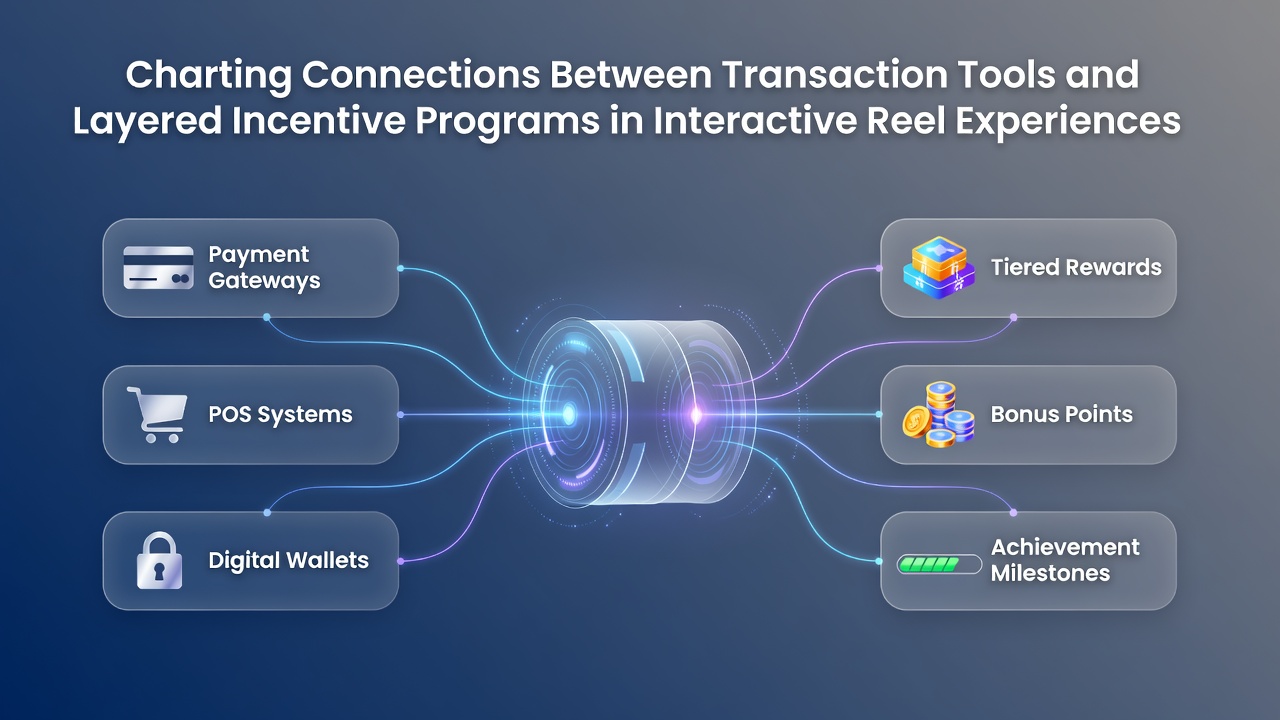
Tracing Links Between Payment Solutions and Tiered Loyalty Frameworks in Spinning Reel Platforms
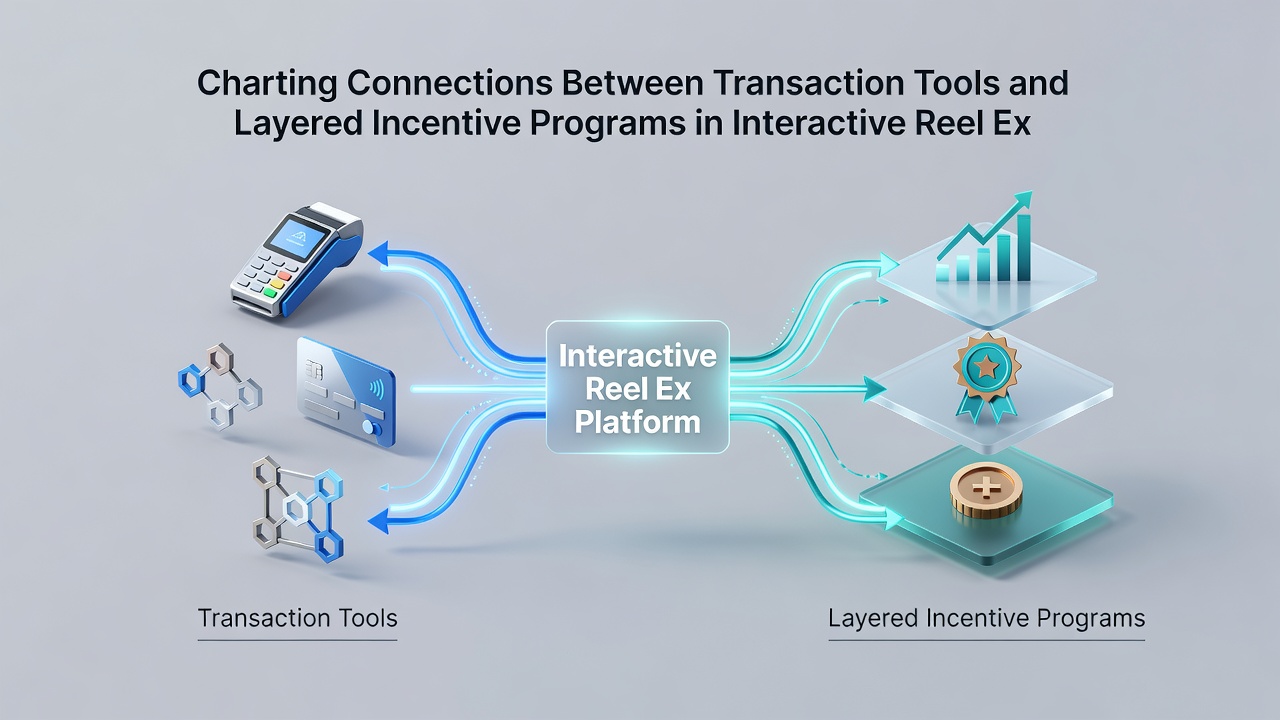
Transaction tools and layered incentive programs intersect directly in interactive reel experiences where deposit methods, withdrawal systems, and processing speeds determine how quickly players access bonus structures and climb reward tiers; observers note that seamless payment integrations often accelerate point accumulation while slower gateways create bottlenecks that delay eligibility for higher incentive layers.
Payment Processing as the Foundation for Reward Access
Modern reel platforms route player funds through various gateways and processors that record transaction data in real time, and this data feeds directly into loyalty algorithms that assign points, unlock free spin packages, and advance users through tier levels; figures from industry reports show that platforms using instant verification methods register higher volumes of completed transactions per user session compared with those relying on batch processing.
Layered incentive programs typically divide rewards into entry-level, mid-tier, and elite categories where each level requires minimum deposit volumes or frequency thresholds, and transaction tools supply the verifiable metrics that trigger these advancements; researchers at academic institutions have documented cases where real-time API connections between payment processors and loyalty databases reduce the time between a qualifying deposit and reward activation from hours to seconds.
Geographic Variations in Integration Practices
European operators frequently combine SEPA transfers and e-wallet options with progressive loyalty ladders that scale bonus percentages according to cumulative spend, whereas North American platforms emphasize credit card and ACH integrations tied to tiered cashback schedules; data released in July 2026 by the Australian Communications and Media Authority indicates that local reel sites using bank-transfer gateways achieved faster tier progression rates among users who maintained consistent deposit patterns over multi-week periods.
Technical Mechanisms Linking Transactions to Incentives
Developers embed tracking scripts within payment confirmation pages that push metadata such as amount, method, and timestamp straight into centralized player profiles, and these profiles power the conditional logic that releases layered rewards; when a user completes a deposit above a defined threshold through an approved channel, the system automatically credits loyalty points and may unlock an additional incentive bracket without manual intervention.
Case studies from gaming technology conferences reveal that platforms employing unified ledgers across payment and loyalty modules experience fewer discrepancies in reward eligibility calculations, while fragmented systems relying on separate databases sometimes produce delays that require player support intervention to resolve.
Security and Compliance Layers Within the Connection
Regulatory frameworks in multiple jurisdictions require audit trails that link every financial transaction to subsequent incentive distributions, and transaction tools supply the immutable records that satisfy these mandates; organizations such as the American Gaming Association have published guidelines emphasizing encrypted data flows between processors and reward engines to prevent unauthorized tier advancements or duplicate bonus claims.
Multi-factor authentication at the payment stage often doubles as a verification step for loyalty account integrity, ensuring that only authorized users receive credit toward higher incentive tiers; studies from research institutions indicate that platforms incorporating these overlapping controls report lower rates of disputed reward allocations.
Future Directions for Integrated Systems
Emerging standards propose standardized APIs that allow payment processors to communicate tier status updates directly to loyalty engines across different reel platforms, and pilot programs in several markets have demonstrated reduced latency in reward delivery; those who have examined these prototypes observe that faster data exchange correlates with sustained user engagement across multiple incentive layers.
Industry organizations continue to explore blockchain-based transaction logs that could provide transparent, tamper-resistant connections to layered reward histories, although widespread adoption remains dependent on regulatory acceptance and technical interoperability.
Conclusion
The connections between transaction tools and layered incentive programs in interactive reel experiences rest on shared data streams that convert financial activity into measurable progress through reward tiers; platforms that maintain tight integration between these components demonstrate consistent patterns of user retention and tier advancement, while those with disconnected systems encounter friction that slows incentive distribution; ongoing technical refinements and regulatory oversight continue to shape how these linkages evolve across global markets.